
Environmental friendliness of HPL panels: certification, safety, and recycling
HPL panels and HPL boards are widely used today in furniture manufacturing, public interiors, and exterior facades. Issues such as the environmental friendliness of the material, the availability of certificates, safety for humans, and recyclability are becoming important selection criteria for customers, architects, and manufacturers.In this article, we will examine the components of HPL slabs, the leading international standards and certifications, how health safety in premises is assessed, and the existing methods of disposal and recycling of production waste.
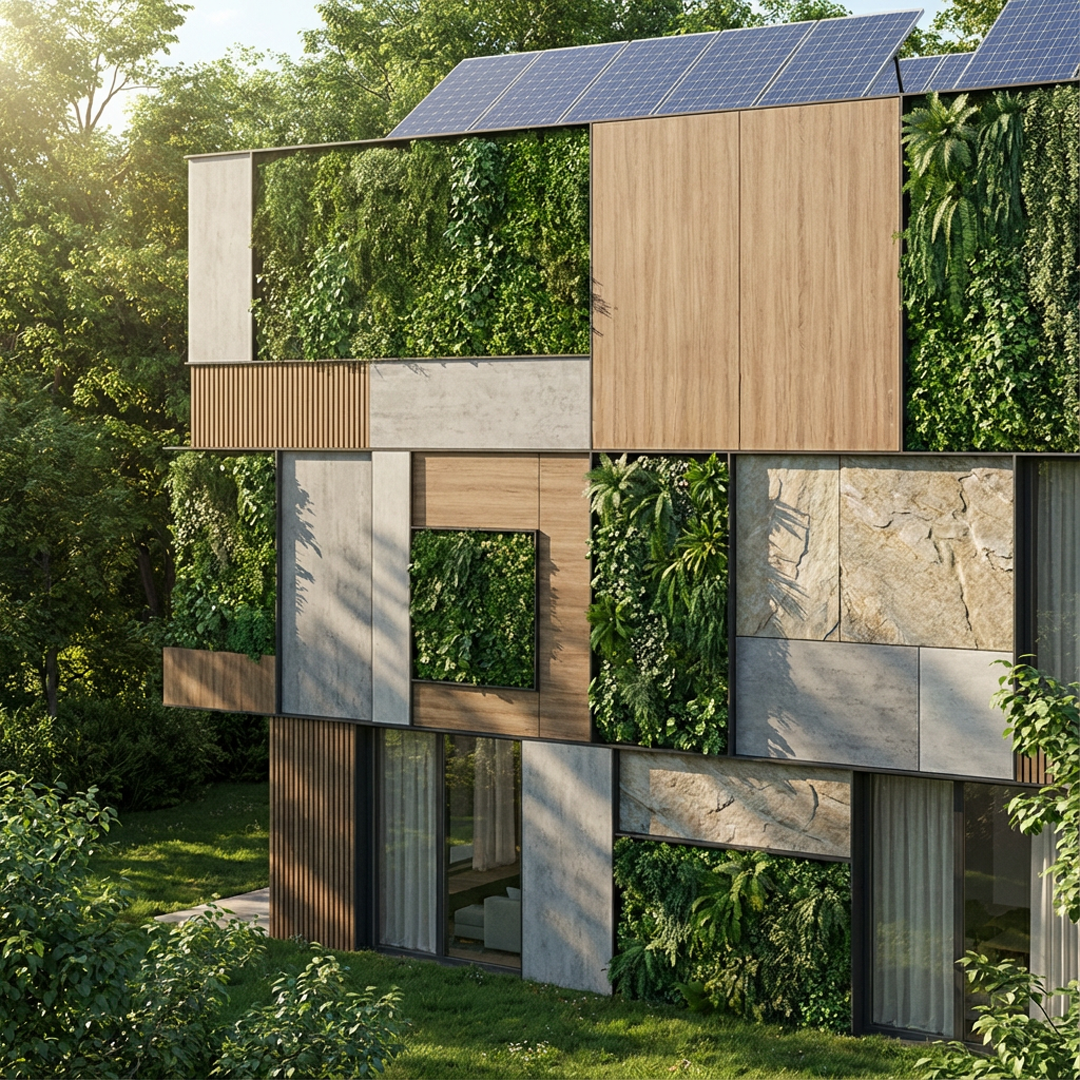
What are HPL panels made of and how does this affect their environmental friendliness?
HPL panels are manufactured by pressing multiple layers of resin-impregnated paper under high pressure and temperature. Most HPL consists mainly of cellulose (approximately 60–75%) and synthetic resins, which provide strength and water resistance. This structure means that HPL panels combine a large proportion of renewable raw materials with the inevitable presence of polymer binders, which is important for environmental assessment and disposal options.
Certifications and standards: what they mean for HPL panels

FSC and PEFC – responsible wood sourcing
One of the key markers of raw material sustainability is the certification of forests and supply chains. FSC (Forest Stewardship Council) and PEFC confirm that the wood raw materials used in the production of paper for HPL come from farms that are managed responsibly in terms of biodiversity, local community rights, and the prevention of illegal logging. The presence of FSC/PEFC in a supplier allows the customer to declare control over the origin of materials in the project and contributes to the “source of materials” criterion in green building certifications.
ISO 14001 and environmental management system in manufacturing
ISO 14001 is an international standard for environmental management systems. Companies that manufacture HPL panels and are ISO 14001 certified are required to systematically monitor the impact of their production on the environment, minimize emissions, use resources efficiently, and continuously improve their environmental performance. For project managers and end customers, the presence of ISO 14001 certification at a manufacturer is an indicator of a systematic approach to reducing its environmental footprint.
EPD, HPD, GREENGUARD, and contribution to green building certification
Product declarations such as EPD (Environmental Product Declaration) and HPD (Health Product Declaration) provide quantitative information about the carbon footprint, energy balance, and chemical complexity of products. GREENGUARD and similar certifications verify emissions of volatile organic compounds (VOCs) into indoor air. The presence of EPD/HPD/GREENGUARD in an HPL panel supplier means that the material can contribute to scoring points in international building certification systems (e.g., LEED) and confirms a reduced impact on indoor air.
Safety for people: emissions and chemical indicators
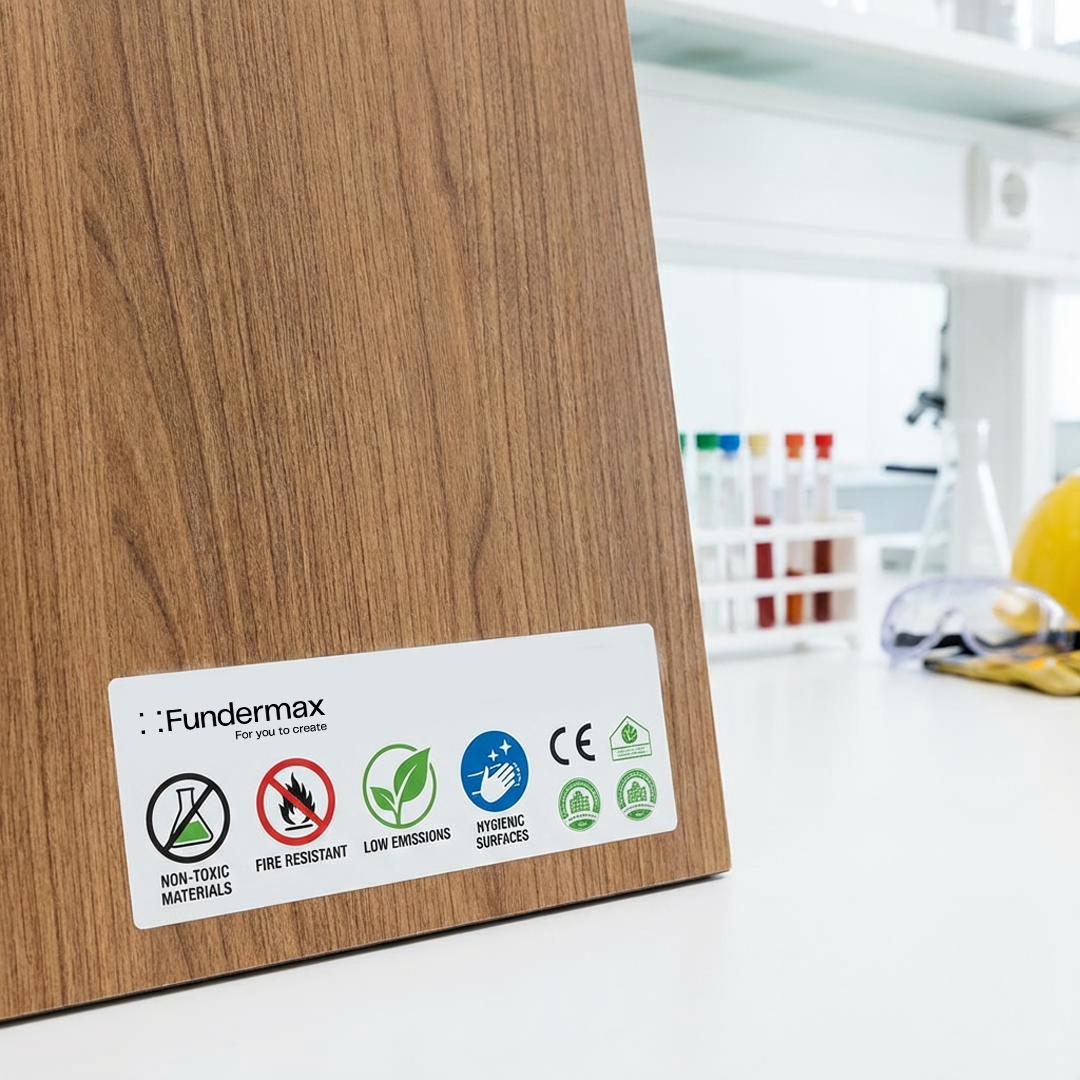
HPL panels largely determine the safety of an interior due to possible emissions of resins and formaldehyde. Modern manufacturers are increasingly using systems that reduce the content of free formaldehyde or completely abandon certain types of binders, and also subject finished panels to emission testing. HPD and GREENGUARD documents provide transparent information on measured indicators, allowing architects and designers to make decisions based on indoor air quality. Along with this, installation and finishing practices are important: properly sealed edges and high-quality adhesives for fastening reduce the risk of local emissions after installation.
Secondary processing of HPL panels and disposal of production waste
Reusability and mechanical recycling
Due to the combination of natural fibers and resins, complete chemical recycling of HPL boards is often technically difficult and economically costly. However, there are practices of mechanically grinding HPL waste and incorporating it as a filler in composite materials or in the production of manufactured building materials. Studies show that shredded HPL can be used as a filler in polymer matrices, giving the material a second life and reducing the amount of waste.
Thermal utilization and energy recovery
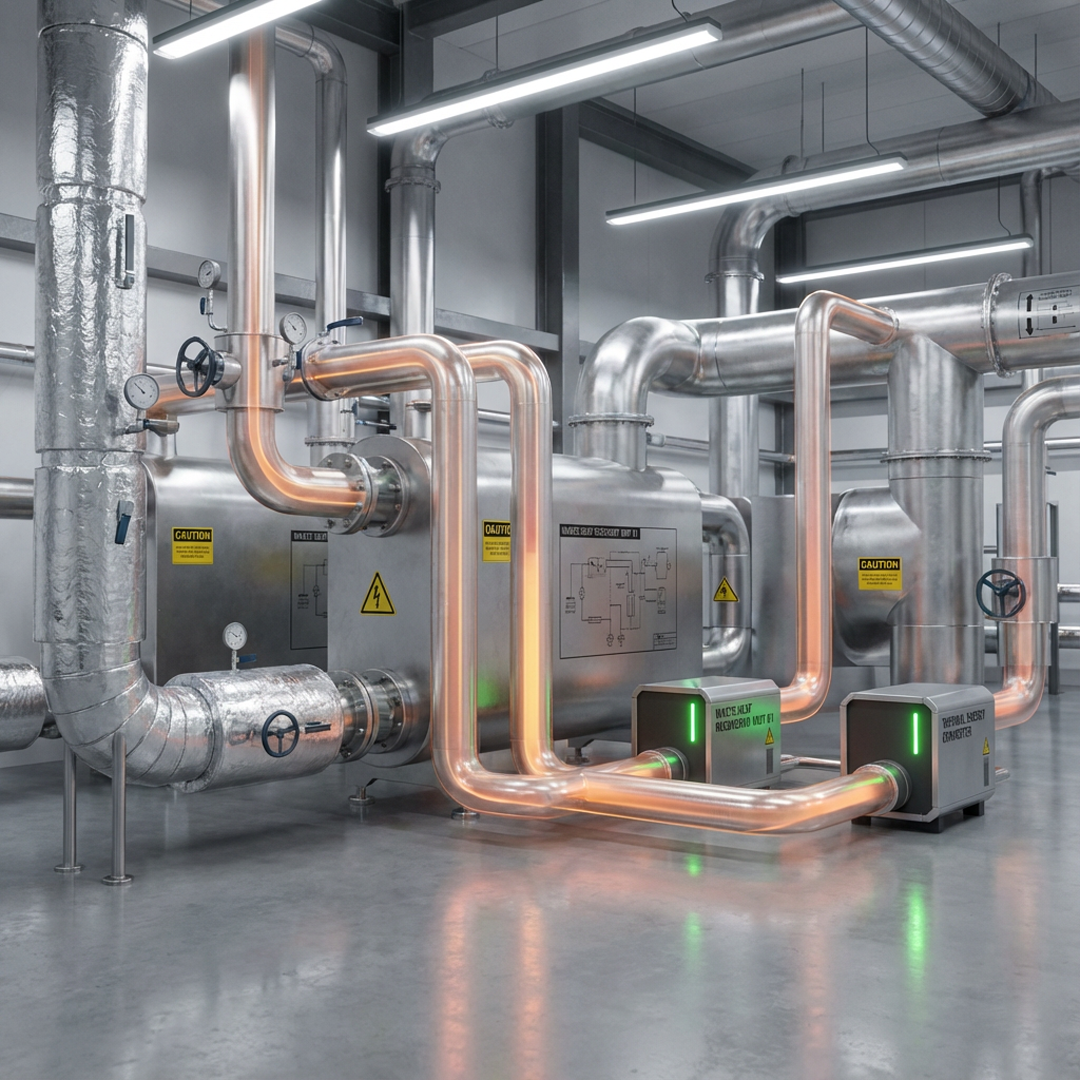
In cases where mechanical recycling is impossible or ineffective, industrially controlled incineration in specialized facilities can be used as a means of energy recovery. HPL, which consists mainly of paper and resins, when burned in industrial incinerators under proper control, allows energy to be recovered and emissions to be minimized thanks to modern filters and flue gas cleaning technologies. At the same time, this approach requires compliance with national environmental standards and the availability of certified facilities.
Industrial waste management: how to reduce losses at the production stage
Sustainable HPL manufacturers strive to reduce waste at the cutting and pressing stage by implementing cutting optimization, reusing scraps in technological cycles, and sorting waste for further recycling. Many factories are also working to reduce energy and water consumption, and in conjunction with ISO 14001, this is part of a comprehensive policy to reduce their environmental footprint.
Practical advice for customers and designers
When choosing HPL panels, pay attention to the availability of documents confirming the origin of raw materials, environmental declarations, and emission test results. FSC or PEFC certificates guarantee the sustainable origin of wood; EPD and HPD allow you to quantitatively compare the carbon footprint and composition; GREENGUARD or similar certificates provide information about indoor air safety. A manufacturer with an ISO 14001 management system usually demonstrates a systematic approach to reducing the environmental impact of production. The combination of these documents provides the most complete picture of the environmental friendliness of HPL panels.
The future: how to improve the environmental performance of HPL panels

The industry is moving towards increasing the share of secondary and renewable content, improving the transparency of supply chains, and developing technologies that make recycling economically viable. Another important area is the development of alternative binding agents with lower emissions and an increase in the proportion of biological content in products. For customers, this means that when choosing HPL panels, preference should be given to manufacturers who invest in sustainable development and publish environmental declarations and independent tests.
Let's summarize
The environmental friendliness of HPL panels is a comprehensive indicator that covers the origin of raw materials, production efficiency, indoor emissions, and the possibility of reuse or waste disposal. The presence of FSC/PEFC, EPD/HPD, GREENGUARD, and the implementation of ISO 14001 at the enterprise significantly increase confidence in the product. Recycling of HPL panels already exists as a set of technical solutions—mechanical shredding for composites and controlled thermal disposal—and over time, these methods will become cheaper and more environmentally friendly thanks to innovation.